
Industrial Pump Repair for Water and Wastewater Facilities: A Central Ohio Guide
When a pump goes down at a water or wastewater treatment facility, there is no option to wait. Flow stops, compliance timelines tighten, and every hour of downtime puts pressure on operators, budgets, and the communities that depend on clean water. Industrial pump repair is one of the most time-sensitive services in the municipal and industrial maintenance world — and getting it right the first time matters more here than almost anywhere else.
At IER Services in Columbus, Ohio, we have been repairing pumps and motors for water and wastewater operations across central Ohio since 2011. Whether it is a centrifugal process pump, a submersible lift station motor, or a high-horsepower vertical turbine drive, our team has the shop capability and on-site expertise to get your equipment back in service fast.
Why Pumps in Water and Wastewater Facilities Demand Specialized Repair
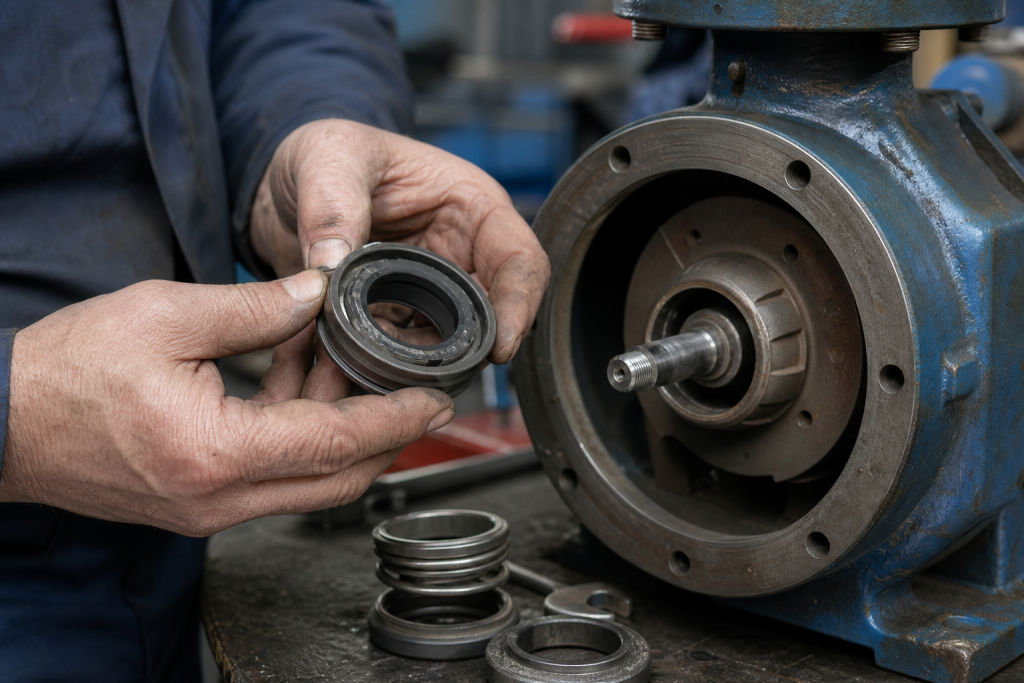
Not all pump repair is the same. Water and wastewater environments introduce challenges that general repair shops are not always equipped to handle. Corrosive fluids, abrasive solids, continuous-duty cycles, and strict regulatory requirements all raise the bar on what qualifies as a proper repair.
Pumps in these facilities often run 24 hours a day, 7 days a week. That kind of duty cycle accelerates wear on bearings, seals, and motor windings far faster than intermittent-use equipment. The fluids being pumped — whether raw influent, treated effluent, or chemical feed solutions — can attack shaft sleeves, impeller surfaces, and mechanical seal faces in ways that standard industrial pumps never experience.
A repair shop that understands these conditions will approach the job differently. At IER Services, we evaluate the full operating context before we start any repair: What is the pump handling? What are the duty cycle and operating temperatures? Has the VFD programming been checked? These details determine whether a standard rebuild will hold up or whether upgraded materials and tighter tolerances are needed.
Common Industrial Pump Repair Issues in Treatment Plants
Across the dozens of water and wastewater pump repairs we handle each year, certain failure patterns show up repeatedly. Recognizing these early can be the difference between a planned repair and an emergency shutdown.
Mechanical seal failure is the most frequent issue. Seals degrade faster when pumping water with high solids content or chemical additives. Dry running — even briefly — can destroy a seal in minutes. If you are seeing moisture around the seal housing or drops in suction pressure, the seal is likely compromised.
Bearing wear and failure is a close second. Pumps that are misaligned, improperly balanced, or running outside their best efficiency point (BEP) put excessive load on bearings. Vibration is the earliest warning sign. If your maintenance team is not running vibration checks on pump motors at least quarterly, problems can develop undetected until the bearing seizes.
Impeller erosion and damage is common in applications where the pumped fluid carries grit, sand, or other abrasive particles. Worn impellers reduce flow rates and increase energy consumption. In some cases, a damaged impeller creates enough imbalance to accelerate bearing and seal failure — turning one problem into three.
Motor winding failure rounds out the list. Pump motors in treatment plants are exposed to moisture, heat, and electrical stress from VFD-driven operation. Insulation breakdown leads to ground faults, phase imbalance, or complete motor burnout. A proper motor rewind with upgraded insulation and VFD-rated magnet wire can add years of reliable service.
Preventive Maintenance That Extends Pump Life
The most cost-effective industrial pump repair is the one you prevent. A structured maintenance program for water and wastewater pumps should include several key practices.
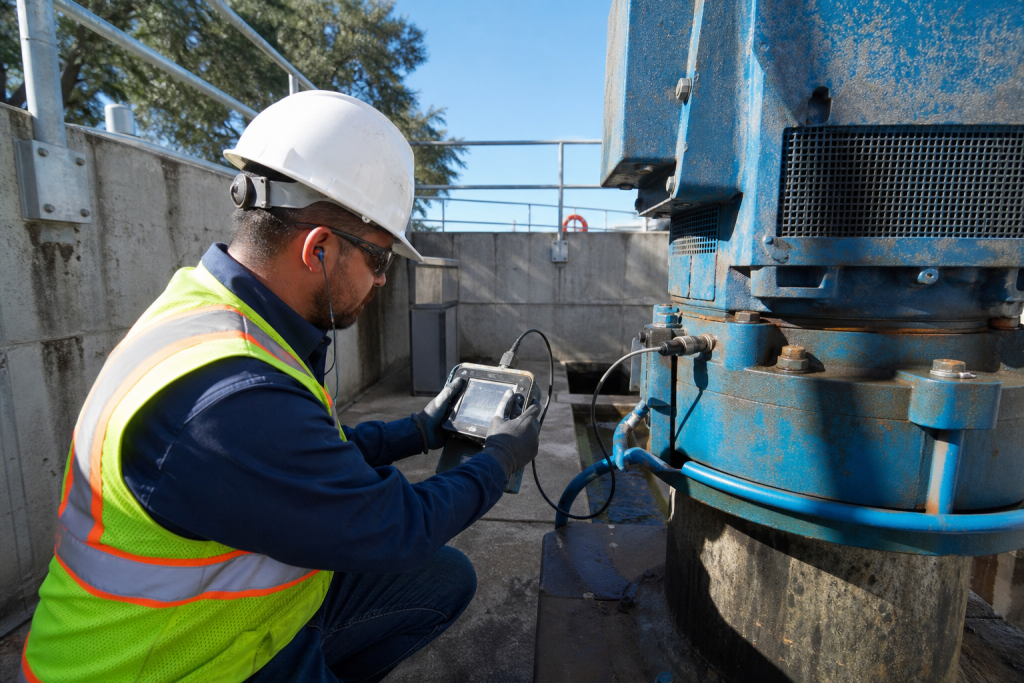
Vibration analysis on a quarterly schedule catches bearing wear, misalignment, and impeller imbalance before they cause failures. Trending vibration data over time is especially valuable — a gradual increase that stays within spec today can predict a failure three to six months out, giving you time to plan the repair during a scheduled outage rather than scrambling through an emergency.
Thermographic inspections on motor housings and electrical connections identify overheating conditions. A motor running 10 to 15 degrees above its normal baseline is telling you something — whether it is a ventilation problem, an overload condition, or deteriorating insulation.
Alignment verification should happen after every pump or motor installation and after any maintenance that disturbs the coupling. Laser alignment is the standard for precision — dial indicators can get you close, but laser tools eliminate the human error that leads to soft-foot conditions and angular misalignment. IER Services provides on-site laser alignment for facilities across central Ohio.
Oil and lubrication programs need to match the operating environment. Treatment plant pumps often run in humid or wet conditions where moisture contamination in bearing oil is a constant risk. Regular oil sampling and analysis, combined with proper re-greasing intervals for sealed bearings, prevents a significant percentage of premature bearing failures.
When to Repair, Rebuild, or Replace a Pump Motor
One of the most common questions facility managers ask is whether a failing pump motor should be repaired, rebuilt, or replaced entirely. The answer depends on several factors.
Repair makes sense when the failure is isolated — a single bearing, a seal, or a minor winding fault — and the motor is otherwise in good condition. A quality repair by an experienced shop restores the motor to its original specifications and is usually the fastest path back to operation.
Rebuild is the right call when multiple components are worn or when the motor has been in service long enough that a comprehensive overhaul is more reliable than addressing one issue at a time. A full rebuild at IER Services includes new bearings, new seals, winding testing (and rewinding if needed), shaft inspection and machining, and dynamic balancing of the rotor. You get essentially a new motor at a fraction of the replacement cost.
Replacement is worth considering when the motor is obsolete, when replacement parts are no longer available, or when upgrading to a premium-efficiency motor will deliver meaningful energy savings over the motor’s remaining service life. Our team can help you evaluate the total cost of ownership — including energy costs — to make the right call.
On-Site Industrial Pump Repair for Facilities That Cannot Ship Equipment
Many water and wastewater pumps are large, permanently installed, or too critical to remove from service for shop repair. That is where on-site field service becomes essential.
IER Services dispatches experienced technicians with portable equipment for vibration analysis, laser alignment, bearing replacement, and motor testing directly at your facility. For Columbus-area treatment plants and pump stations, our response time is measured in hours, not days. We also handle emergency calls around the clock when a critical pump goes down unexpectedly.
On-site service eliminates the logistics and downtime of pulling a motor, transporting it to a shop, and reinstalling it after repair. For large vertical turbine pumps or pumps installed in below-grade wet wells, on-site repair is often the only practical option.
Partner with a Local Shop That Understands Your Equipment
Water and wastewater facility managers across central Ohio choose IER Services because we bring the combination of deep technical expertise, shop capability for major rebuilds, and field service flexibility for on-site work. Founded in 2011 and located at 1608 Clara St in Columbus, our team works with the pumps, motors, and drives that keep treatment plants and pump stations running every day.
If your facility is dealing with recurring pump problems, planning a maintenance shutdown, or needs emergency pump motor repair, call IER Services at (614) 298-1600 or contact us online for a fast response.